
Chemistry - GOC Question with Solution | TestHub
X = number of reactions in which an aromatic compound is formed. Find the value of (X - 4).
(a) 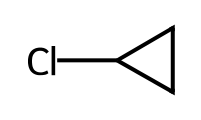 (b)
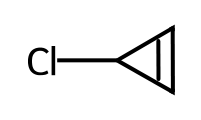
(c) 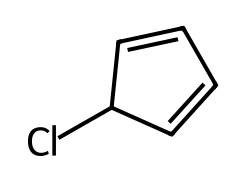 (d)
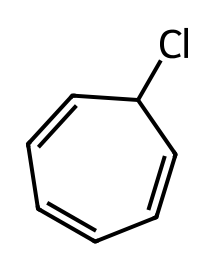
(e) 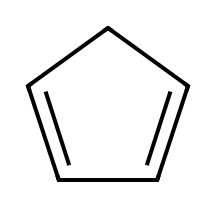 (f)
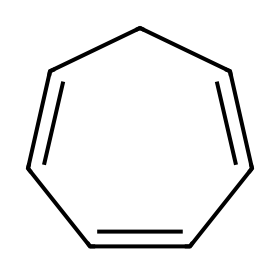
(g) 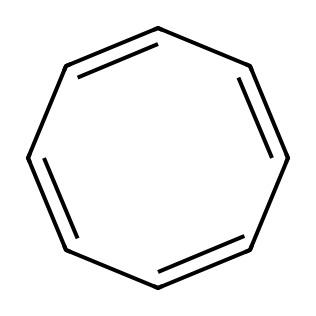 (h)
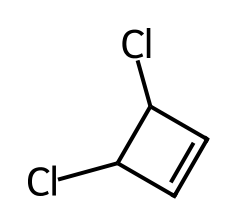 2Na
(i) 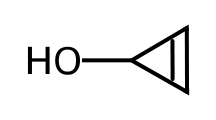 (j)
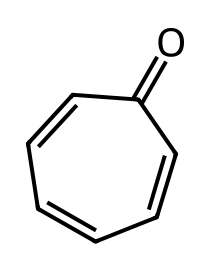
(k) 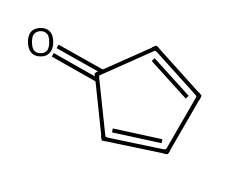
Answer:
Solution:
(a) The product is the cyclopropyl cation, with no π electrons in the ring : not aromatic. (b) The product is the cyclopropenyl cation (2π) : aromatic. (c) The product is the cyclopentadienyl cation (4π) : anti-aromatic. (d) The product is the tropylium cation (6π) : aromatic. (e) The product is the cyclopentadienyl anion (6π) : aromatic. (f) The product is the cycloheptatrienyl anion (8π) : not aromatic. (g) Two electrons are added to give the cyclooctatetraene dianion (10π, planar) : aromatic. (h) 2Na removes both to give cyclobutadiene (4π) : anti-aromatic. (i) The product is the cyclopropenyl cation : aromatic. (j) Protonation of gives the hydroxytropylium cation (6π) : aromatic. (k) Protonation of gives the hydroxycyclopentadienyl cation (4π) : anti-aromatic. Aromatic products form in (b), (d), (e), (g), (i) and (j), so X = 6 and (X - 4) = 2.
