
Chemistry - PRACTICAL ORGANIC CHEMISTRY Question with Solution | TestHub
Match items of column I and II
| Column I (Mixture of compounds) | Column II (Separation Technique) |
| A. | i. Crystallization |
B. 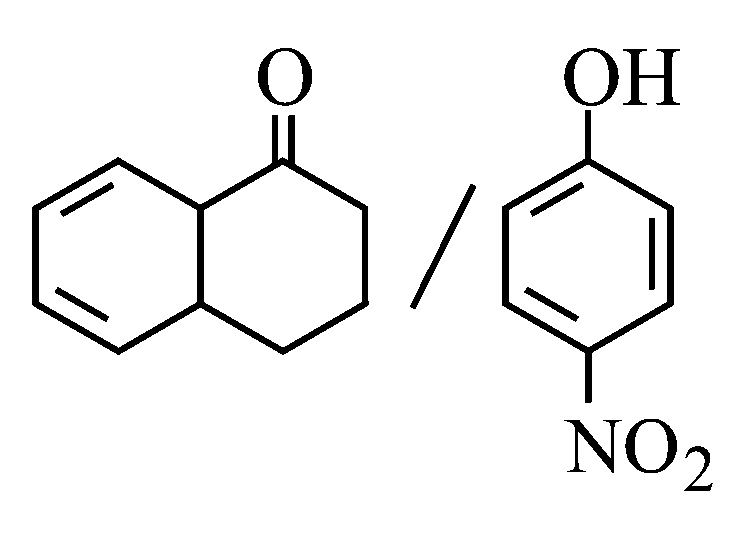 | ii. Differential solvent extraction |
| C. Kerosene/Naphthalene | iii. Column chromatography |
| D. | iv. Fractional Distillation |
Options:
Answer:
Solution:
A. Dicholoromethane and do not mix & form two separate layers. So they can be separated by Differential solvent extraction.
B.
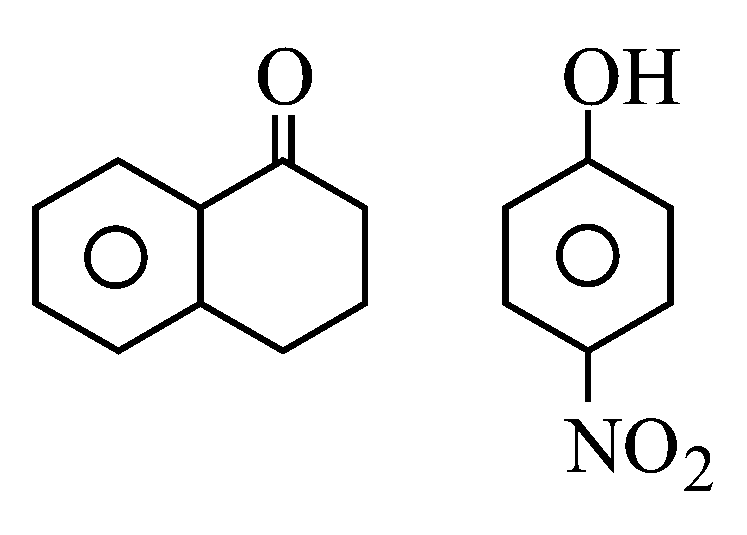
Column chromatography is a technique in which the substances to be separated are introduced onto the top of a column packed with an adsorbent, passed through the column at different rates that depend on the affinity of each substance for the adsorbent and for the solvent or solvent mixture, and are usually collected in solution as they pass from the column at different times. Thus, the basic principle involved in column chromatography is to adsorb solutes of the solution with the help of a stationary phase and further separating the mixture into discrete components.
C. Kerosene / Naphthalene: Fractional Distillation, kerosene and naphthalene are different types of hydrocarbons that have different boiling points.
D. : are different compounds with different chemical and physical properties. As a result, they can be separated from each other by crystallisation.
So, the correct matching is .